10 spots everyone forgets to clean when moving into a new home
When we moved into our last place, I thought a quick wipe-down would do it. Then I peeled back the washing machine gasket. Reader, I screamed.
The previous owners cleaned the parts you can see. The parts you can't see? Almost certainly not. Here are the ten spots I now check every move-in — a few take five minutes, a couple are weekend projects, but none are complicated.
01.The washing machine gasket and drum
If your new home has a front-load washer, the rubber gasket around the door is the single grossest thing in the house. Mold, mildew, years of detergent residue. Top-loaders aren't innocent either — the drum builds up biofilm you can absolutely smell on your clothes.
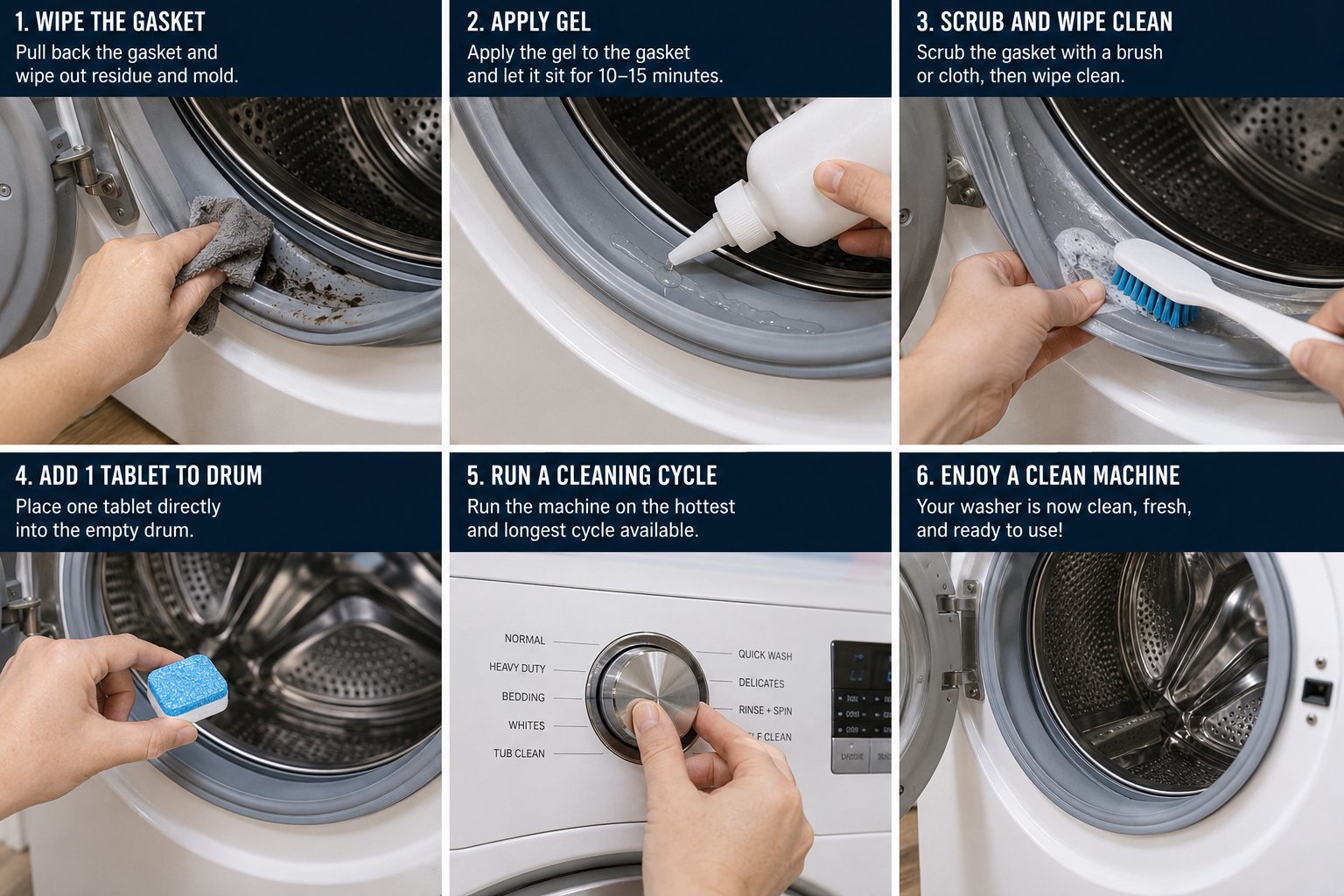
Wipe the gasket folds first (there's a small puddle in the bottom one — yes, really), then run a cleaning cycle with a washer-specific tablet. I use the Active Washing Machine Cleaner tablets every couple months — one tablet, hottest cycle, done.
Amazon affiliate link · I earn a commission if you buy02.The vacuum filter
If you brought a vacuum from your old place, its filter is probably overdue. Either way, check it after your first big move-in cleaning. You will not believe what comes out.
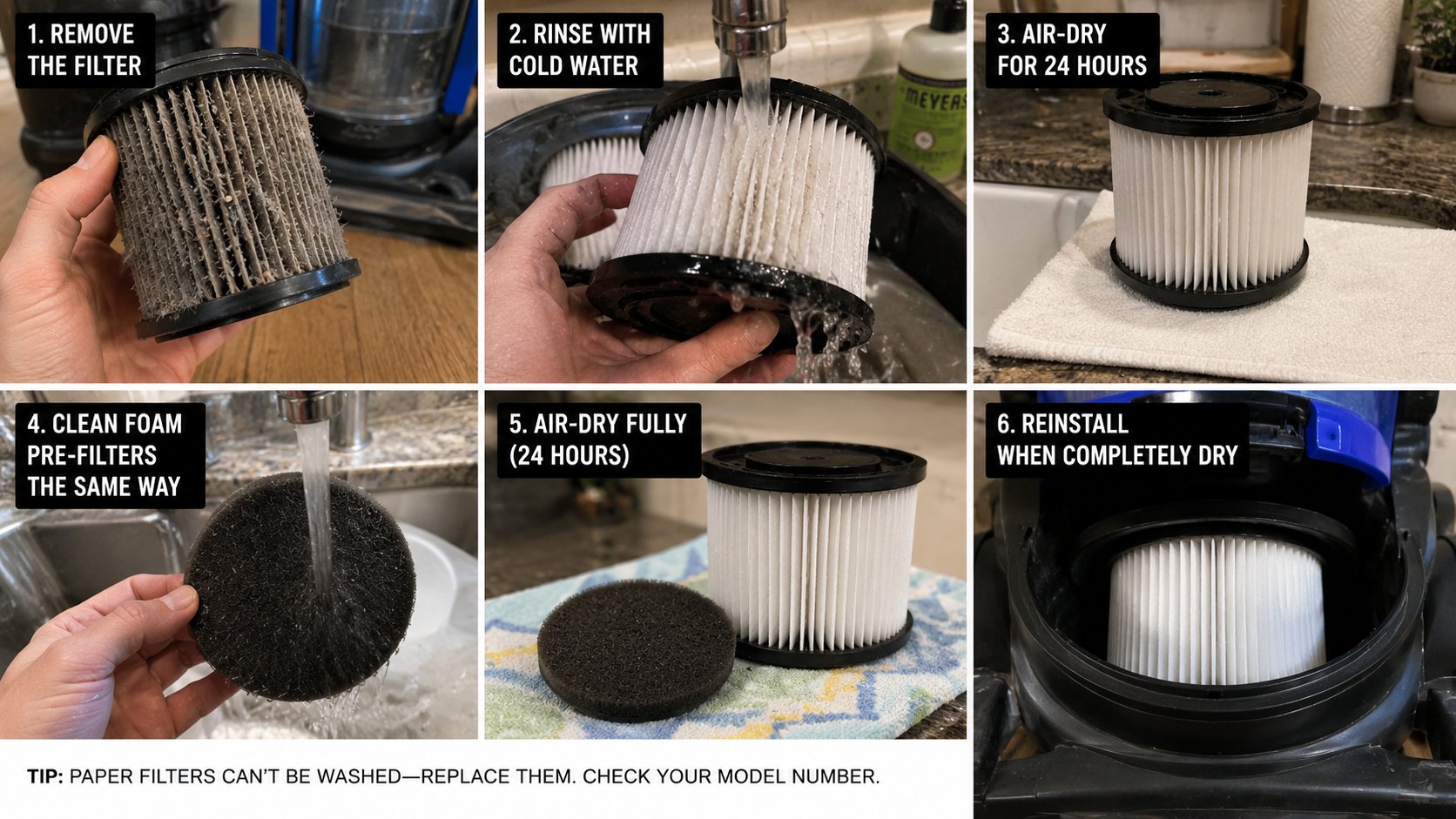
Most HEPA filters are rinseable — cold water, no soap, air-dry a full 24 hours before reinstalling. Foam pre-filters work the same way. Paper filters can't be washed, so check your model number before you soak anything.
03.The shower head and faucet aerators
Every shower head I've inherited has been clogged with mineral buildup. Water pressure feels fine until you clean it — then suddenly your shower has opinions. The mesh aerator screen on sink faucets traps the same kind of sediment.
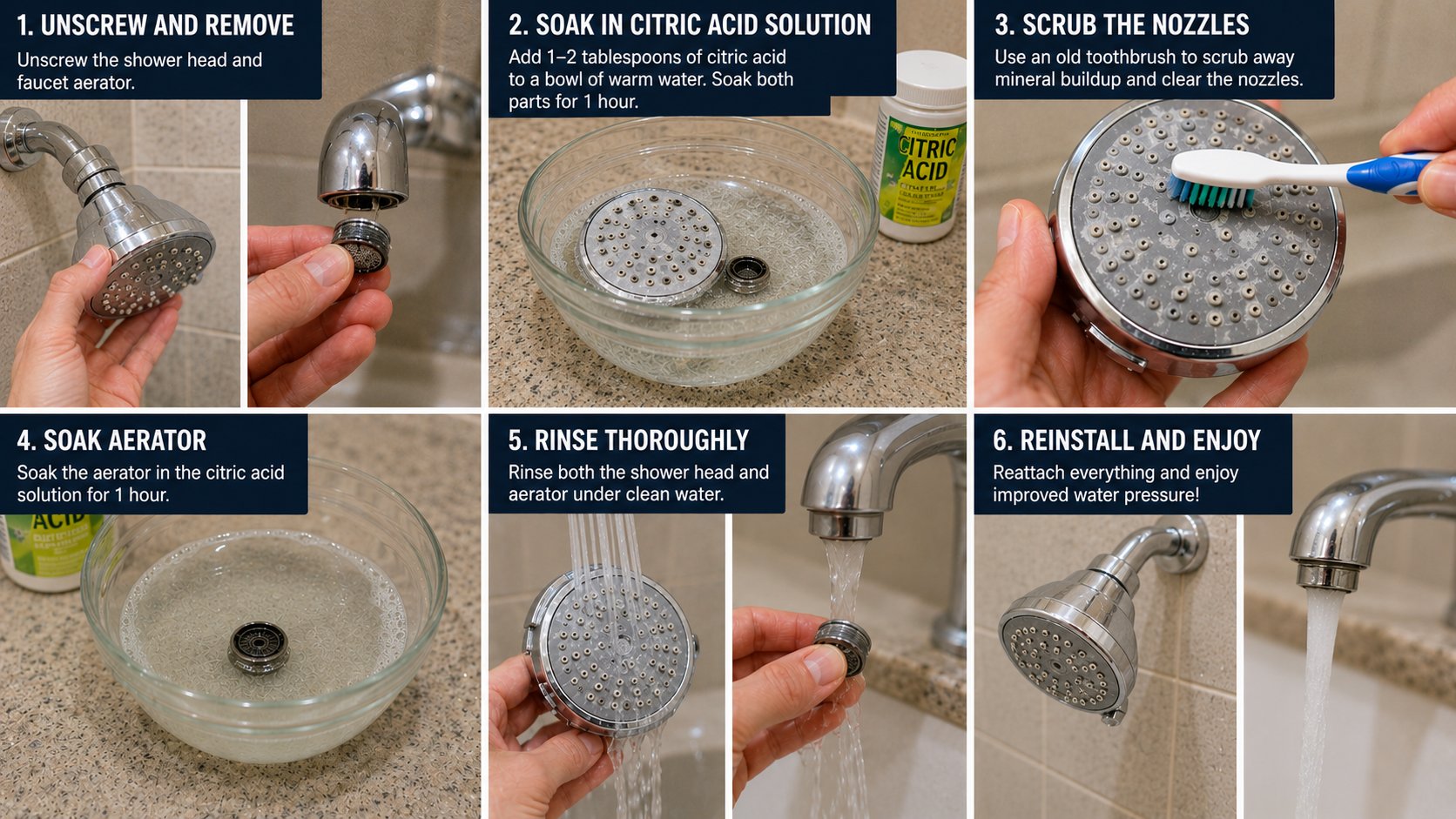
Citric acid is much gentler than vinegar and doesn't smell like salad dressing. I keep a bag of food-grade citric acid around for this — it also works on kettles, coffee makers, and anything else with mineral buildup. A bag lasts forever.
Amazon affiliate link · I earn a commission if you buy04.The dishwasher filter
The dishwasher has a filter at the bottom. I know. I didn't know either, for an embarrassingly long time. If your previous owners were normal people, it has not been cleaned in years, and it's probably why dishes come out with little gritty specks.
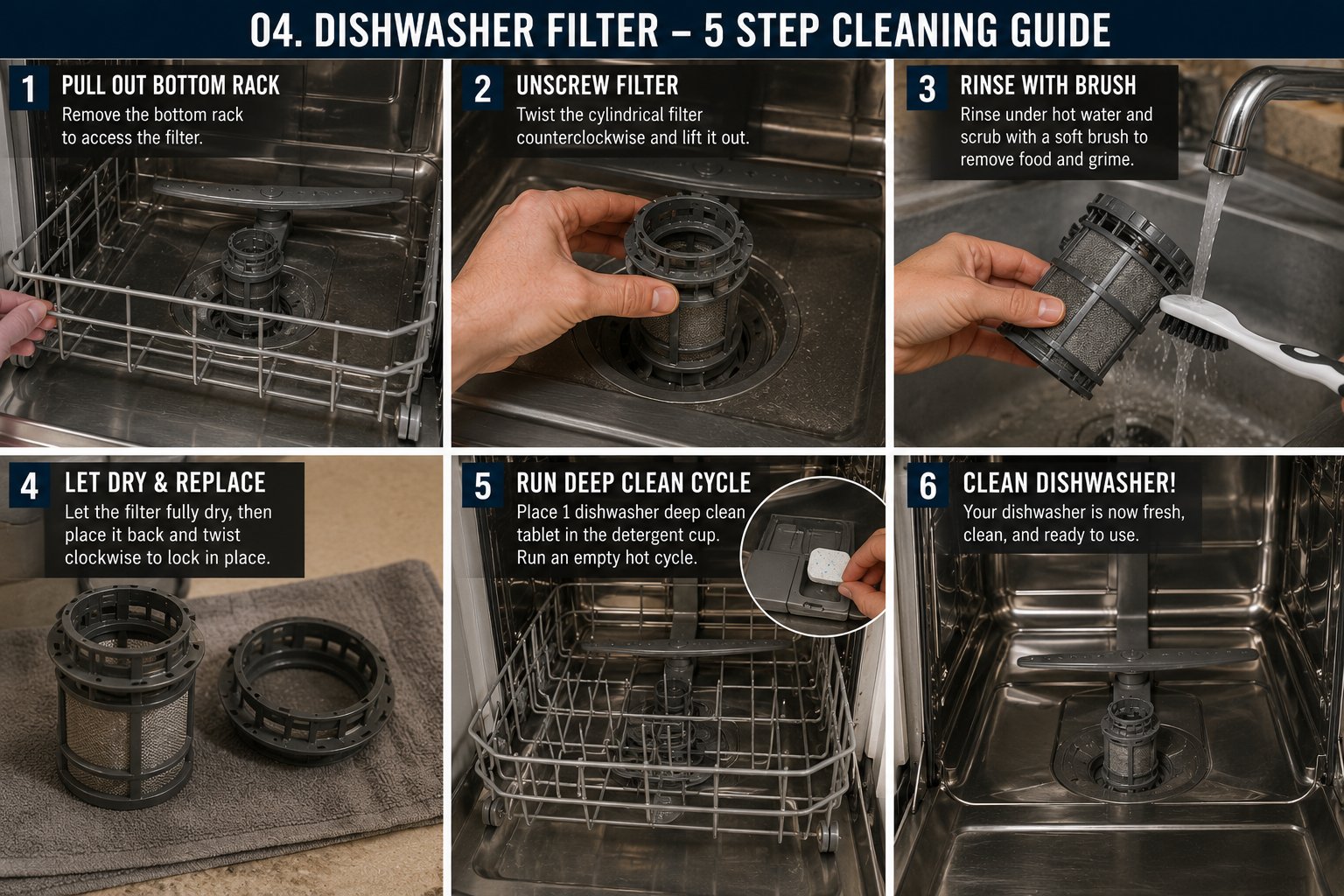
Pull the bottom rack, twist the cylindrical filter at the back center counterclockwise to lift it out, scrub under hot water with a soft brush, twist back in, and run an empty hot cycle. Takes about ten minutes the first time and then maybe two minutes every couple months after.
05.The toilet tank (not just the bowl)
Everyone cleans the bowl. Almost nobody lifts the tank lid. Open it up and you'll often find rust stains, mineral deposits, and sometimes a slow mildew layer on whatever sits in the water. Since the tank water is what fills the bowl on every flush, a dirty tank means the bowl gets dirty again faster than it should.
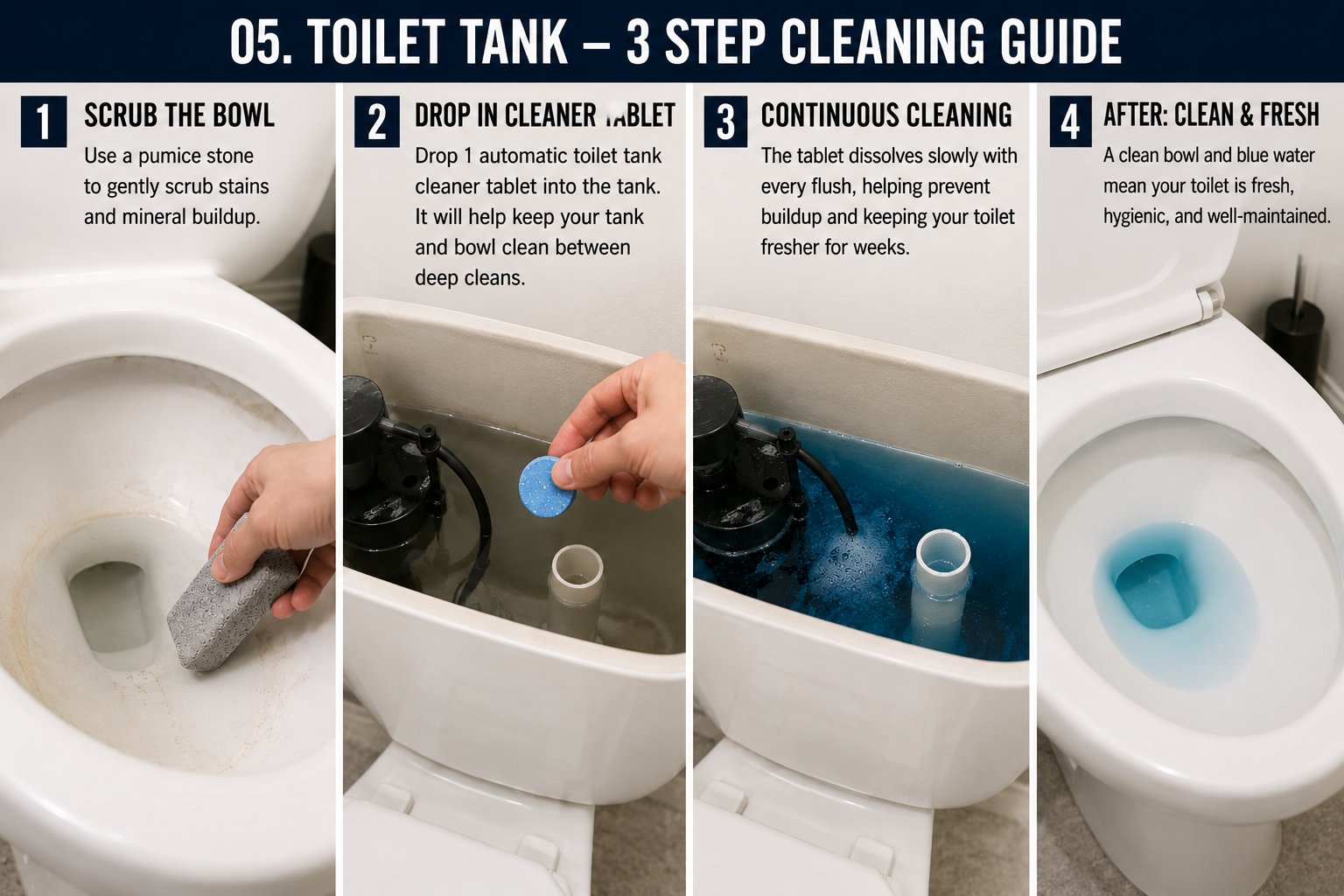
You can scrub it manually — drain first, then a non-abrasive sponge — but I use an in-tank cleaner because I will not remember to do this every month. ACTIVE's automatic toilet cleaner drops in the tank, lasts a couple months, and keeps both the tank and bowl from building up between deep cleans. I tried the off-brand versions; they dissolved too fast.
Brand partnership · I may earn from this link06.The range hood and the filter inside it
Pop the metal mesh filter out from under your range hood. If it's been there over a year, it's coated in cooking grease that's now sticky-solid. That's both a fire hazard and the reason your kitchen smells faintly like every meal the previous owner ever made.
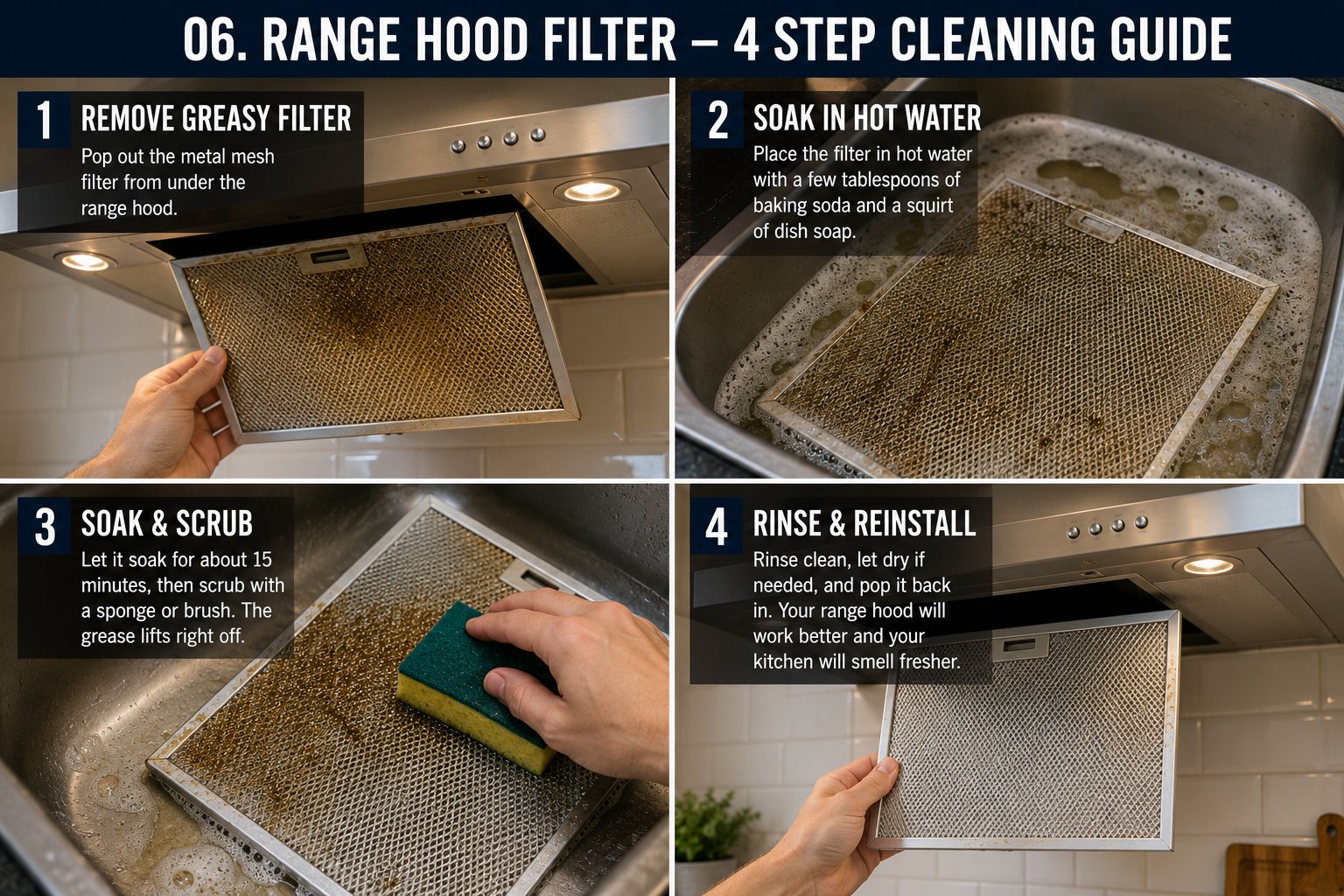
Hot water with a few tablespoons of baking soda and a squirt of dish soap, soak fifteen minutes, scrub with a sponge — the grease lifts right off. Most range hood filters are also dishwasher-safe on the top rack if you'd rather just throw them in.
07.Bathroom grout and silicone caulk
The black or pink stuff in your shower corners isn't dirt — it's mildew that's grown into the porous grout. You can't just wipe it away; you need something that sits and penetrates. Spray cleaners run off vertical surfaces before they can do anything useful.
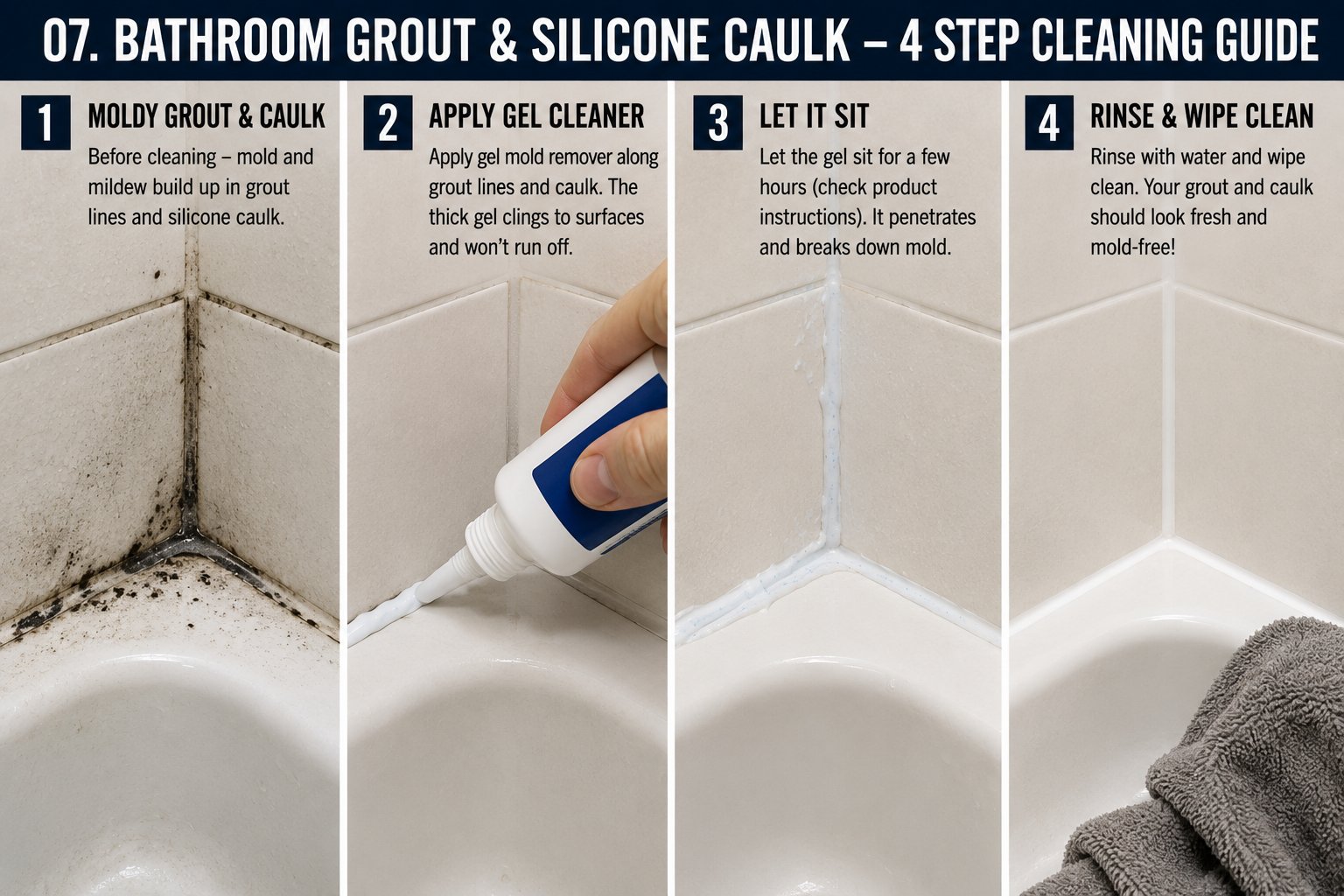
A gel mold remover is the move. You apply it like toothpaste, leave it a few hours, then rinse. I used the cheap spray version for years before someone told me about the gel kind — genuinely night and day on stubborn grout lines.
Amazon affiliate link · I earn a commission if you buy08.The refrigerator coils
The coils on the back or bottom of your fridge collect dust like nothing else, and a dusty coil makes the fridge work harder, runs your electric bill up, and shortens the appliance's life. The previous owners of your new home almost certainly did not clean them.
09.The garbage disposal
Even a disposal that's been "run with hot water and soap" still holds food particles in the splash guard flaps and along the inside walls. That faint sour smell when you run the tap? That's it. You don't need to take anything apart — you just need something that foams up inside and scrubs the parts you can't reach.
I use foaming disposal tablets — drop one in, run cold water for a few seconds, foam comes up through the splash guard. Citrus scent that isn't overpowering.
Amazon affiliate link · I earn a commission if you buy10.Window tracks and sliding door channels
The channels your windows and sliding doors sit in collect a year-round confetti of dead bugs, hair, and dust. Vacuuming barely touches it because most of it is stuck.
One last thing
You don't have to do all ten on move-in day. I usually tackle the washer, toilet, and grout the first weekend, then chip away at the rest over the first month. The point isn't to make yourself crazy — it's to know about the hidden gunk before it becomes your gunk.
Happy nesting.